Post-Blob, California’s kelp crisis isn’t going away
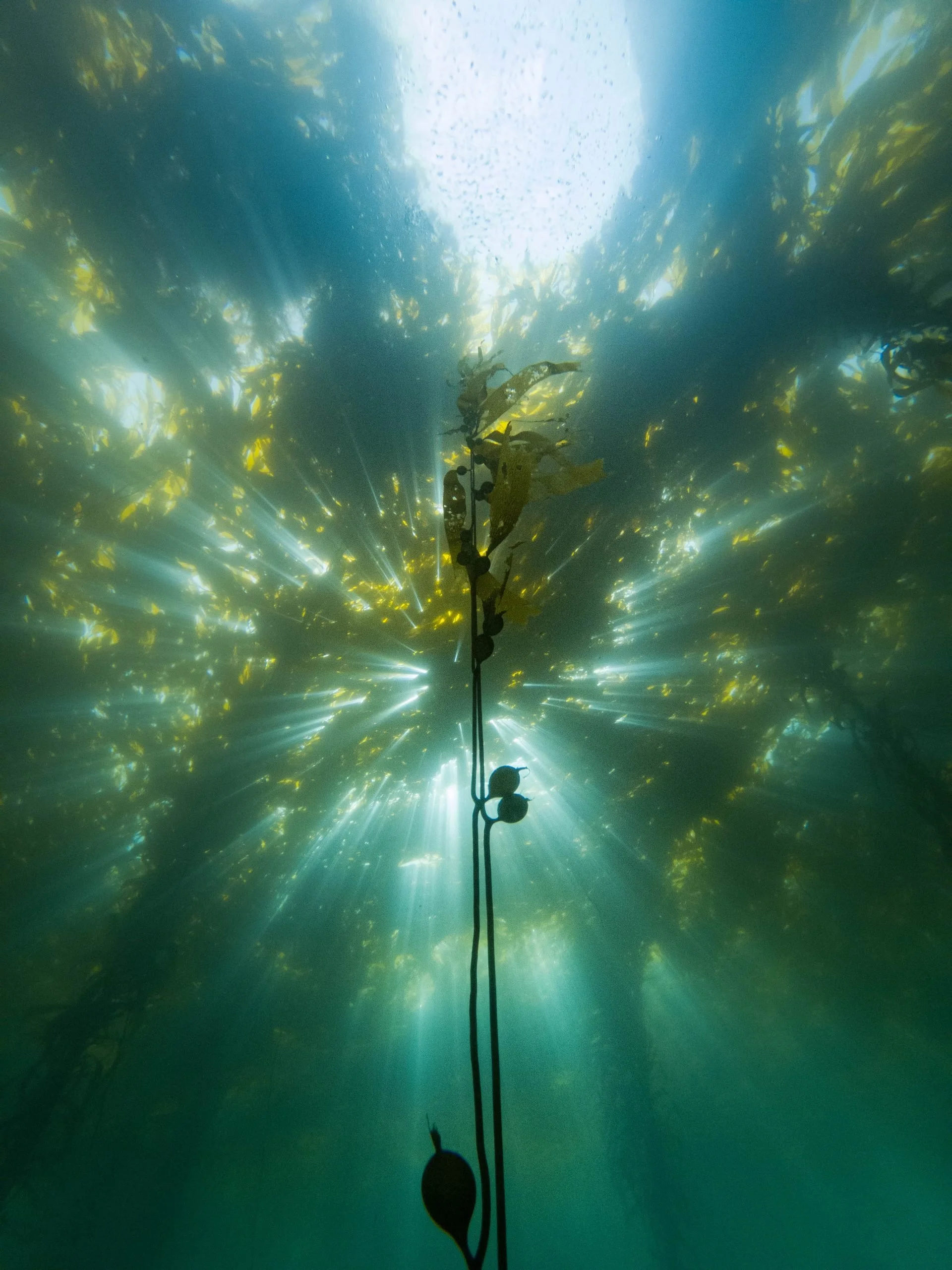
Image by NOAA Sanctuaries
The Kelp Collapse
Since 2013, Northern California’s kelp forests have been devastated by a combination of extreme marine heatwaves and the loss of sunflower sea stars to wasting disease. With their main predator gone, purple urchins exploded in number, stripping away kelp and leaving behind vast “urchin barrens.”
Ripple Effects
Kelp forests are vital ecosystems that shelter marine life, protect coastlines, and store carbon. Their collapse has hurt biodiversity, imperiled species like abalone, and damaged coastal economies. Recovery is difficult because purple urchins can survive for years in a starved, dormant state, blocking kelp from regrowing.
Restoration Efforts
Conservation groups are fighting back through urchin removal, kelp out-planting, and predator restoration. In Southern California, these efforts have restored some kelp forests, but the scale of damage in the north makes recovery slow and costly.
A Long Road Ahead
With climate change driving more marine heatwaves, kelp recovery faces steep challenges. Lasting solutions will require major investment, coordinated strategies, and long-term commitment from scientists, policymakers, and communities alike.
You can read the full article by David Helvarg on Monga Bay!